Shandong Beton Heavy Industry Machinery Co., Ltd.


Products
Contact Us
Mobile: 86-139-5343-6993
Phone: 86-534-5541031
E-mail: info@bmixer.com
WhatsApp: 8613953436993
Add: North of the East End of Qianjie Street, Dacao Town, Ningjin County, Dezhou City, Shandong Province, China

Concrete Mixer Arm SICOMA brand JS2000 for concrete mixing plant and concrete mixer spare part
The concrete mixing arm is made of Wear-Resistant Alloy Steel material. The easily worn surface is cast with an alloy layer, and its service life is 3 to 5 times that of ordinary mixing arms. It is compatible with dry-hard and plastic concrete and is widely used in high-speed railway Bridges, nuclear power plants and other projects.
Detail
Parameter category | 2000 mixing arm | 3000 mixing arm |
Material composition | Wear-Resistant Alloy Steel | Wear-Resistant Alloy Steel |
Size specification | Main stirring arm: Length 1200mm× Width 180mm× Thicknes 45mm | Main stirring arm: Length 1500mm× Width 200mm× Thicknes 50mm |
Installation parameters | Bolt | Bolt |
Dynamic parameters | Stirring shaft speed 23r/min | Stirring shaft speed 28r/min |
Life expectancy performance | 120,000 to 180,000 cans | 150,000 to 200,000 cans per session |
Description of Mixing Arm
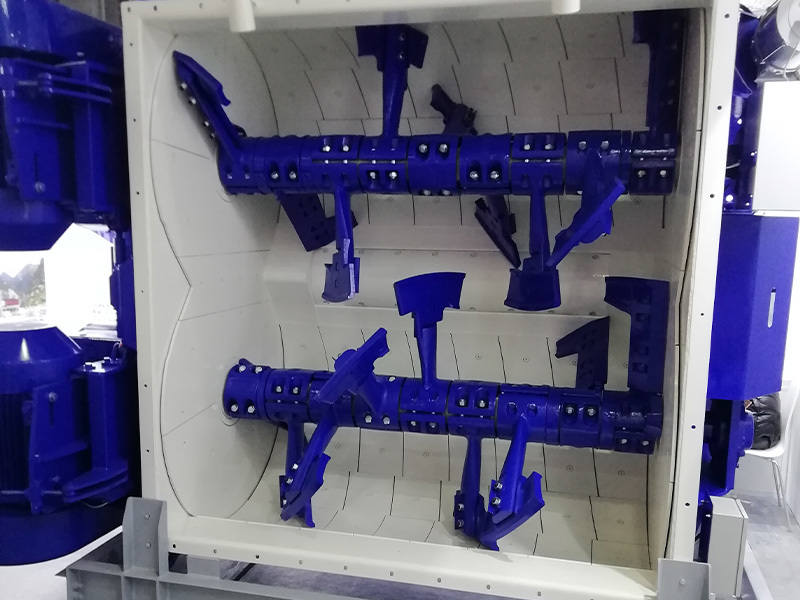
The mixing arm of the concrete mixer is one of the components. The mixing arm itself is divided into side mixing arms (positive and negative) and middle mixing arms (also positive and negative). Below the mixing arm is a connected tile base, which is connected to the mixing arm. Use 4 sets of high-strength bolts for the mixing arm. Above is the installed wear-resistant mixing blade, and 2 sets of high-strength bolts are used to connect the mixing blade.
 |
 |
According to the utility model, the side arm is moved back in the rotation direction of the overall mixing arm layout, so that it lags behind the end arm of the mixing arm group on the same side. In this way, during actual operation, the side arm has less working resistance and is in contact with the mixing drum. There is no cutting and grinding between them, which improves the durability of the side arms and reduces the driving force required for the mixing shaft. Therefore, a low-power motor can be installed, which reduces manufacturing costs and energy consumption accordingly. Cast iron material has high strength and good wear resistance.
How to use concrete mixer mixing arm?
Mixing middle arm
This piece is installed on the large shaft in the mixer barrel and is clamped with the lower seat. The upper part is equipped with an intermediate mixing blade. The large shaft is responsible for the mixing of materials during production and operation.
Therefore, the production quality requirements for the middle mixing arm are relatively high. It bears the mixing load of the mixer blades, has a long wear-resistant life, and has corresponding willfulness. The mixing arm is the core accessory in the entire mixer barrel, collectively referred to as “safety parts”. During use, if this part of the accessory breaks, it will cause mechanical failure and bring immeasurable economic losses to the manufacturer.
Side mixing arm (left and right)
This accessory is installed at both ends of the mixing barrel. The lower part is clamped with the base of the mixer accessory on the large shaft. The upper part is equipped with side mixing blades, and the middle part is equipped with a side scraper.
During operation, the material in the upper part must be stirred and rubbed with the end plate liner to prevent the material from sticking to the liner in the barrel, thereby extending the service life of the liner.
| Chemical Compositions | ||||||||||
| Name | Chemical Compositions% |
Hardness | ||||||||
| C | P | S | Si | Mn | Cr | Ni | Mo | Cu | ||
| Special high chrome steel |
2.8-3.1 | <0.06 | <0.06 | 0.8 | 0.8 | 22 | <1 | <1 | <0.5 | 62 |
| High chrome steel | 2.8-3.1 | <0.06 | <0.06 | 0.8 | 0.8 | 15 | <0.5 | 52 | ||
| Low chrome steel | 2.8-3.1 | <0.06 | <0.06 | 0.8 | 0.8 | 3 | 48 | |||
| High manganese steel |
1.2 | <0.06 | <0.06 | 16 | 45 | |||||
| Alloy steel casting | 0.4 | <0.06 | <0.06 | 2 | 1 | 45 | ||||
| Specifications | ||||||||||
| Hardness | 52-62HRC | |||||||||
| Life | More than 200,000 cubic meter concrete or 300,000 tons asphalt |
|||||||||
Materials |
High chromium cast iron/steel |
|||||||||
Standards |
CN:KM TB Cr 15-25-GTUS:ASTM A532 Class Two Type D |
|||||||||
Extension strength |
380 N/mm2 |
|||||||||
Elongation at break |
1% | |||||||||
Shock impact(resistance)value |
>5 ak N.M/CM2 |
|||||||||
Flexural strength |
>600 ak N.M/CM2 |
|||||||||
| Certifications | ISO9001:2008,CE |
|||||||||
Metallographic organization |
M+M7C3+M23C6 | |||||||||
| Process | Lost Foam Casting |
|||||||||
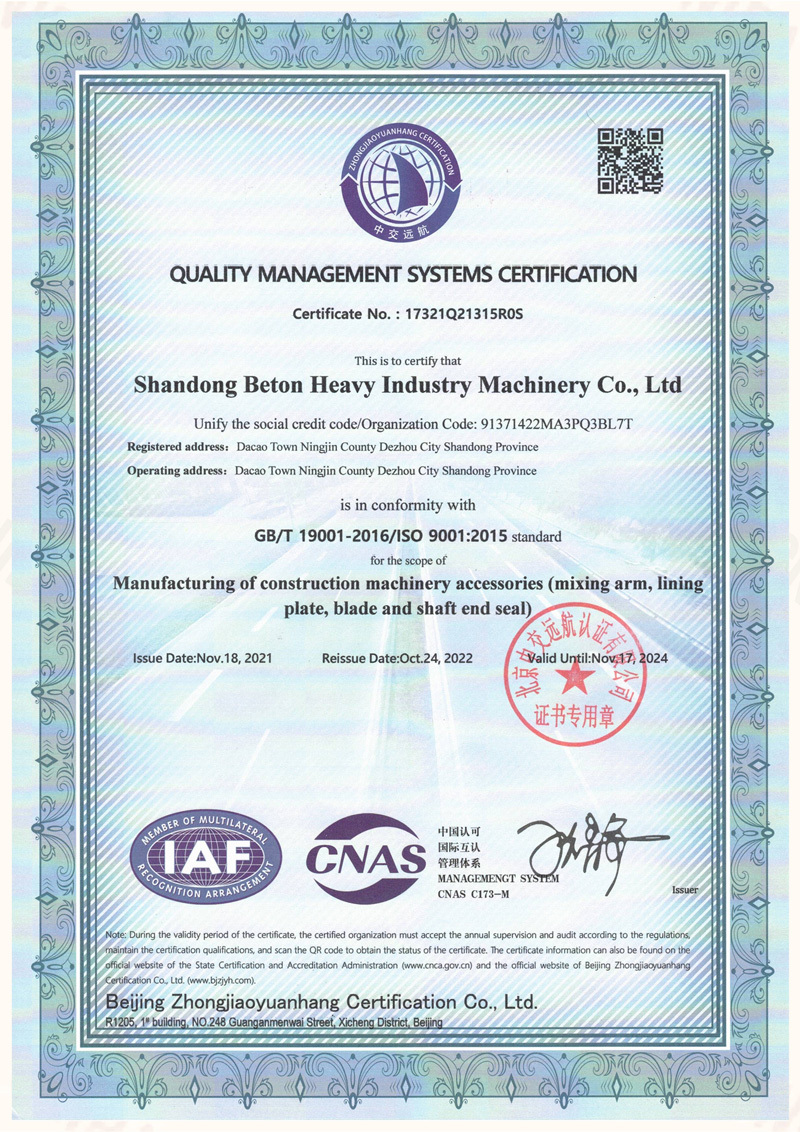
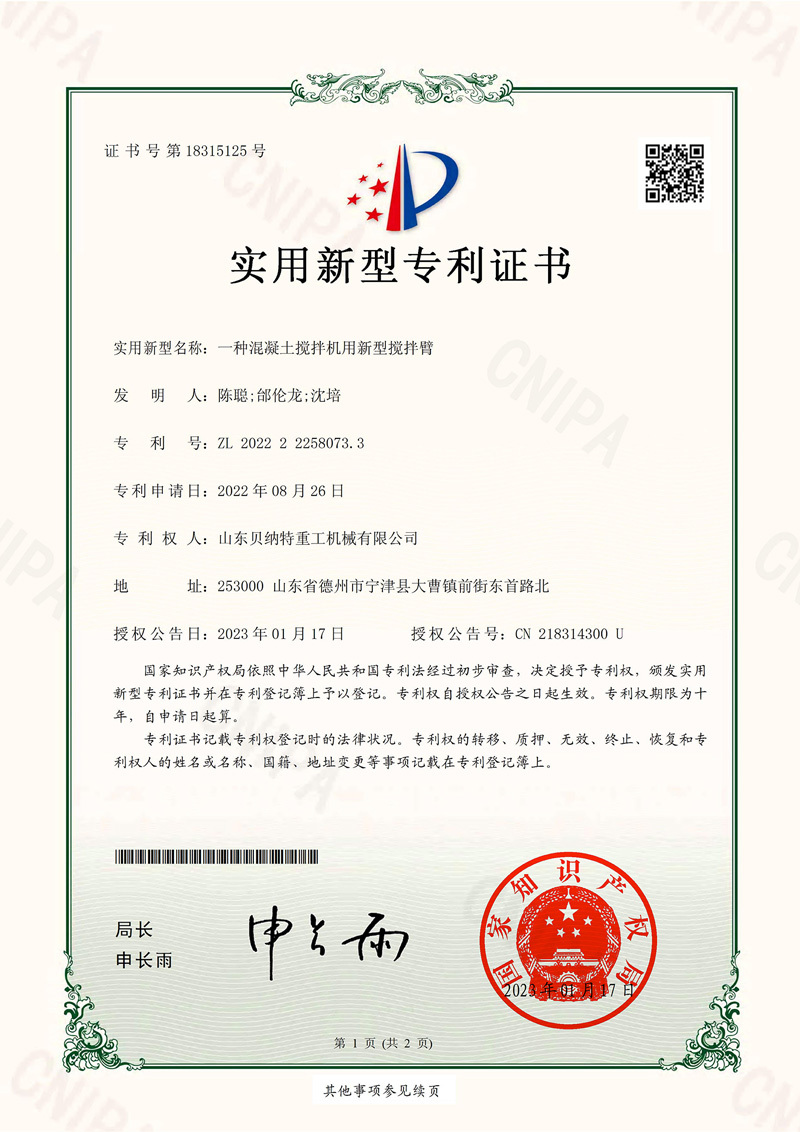
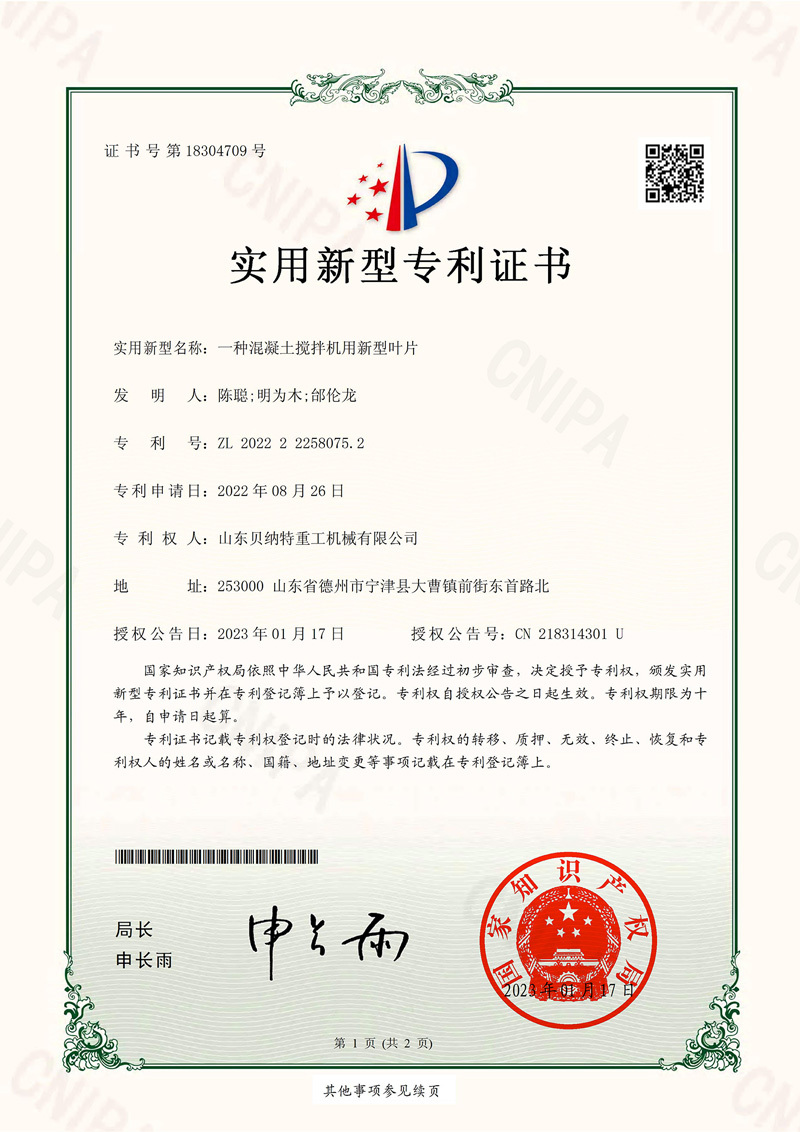
Quality Inspection Certificate
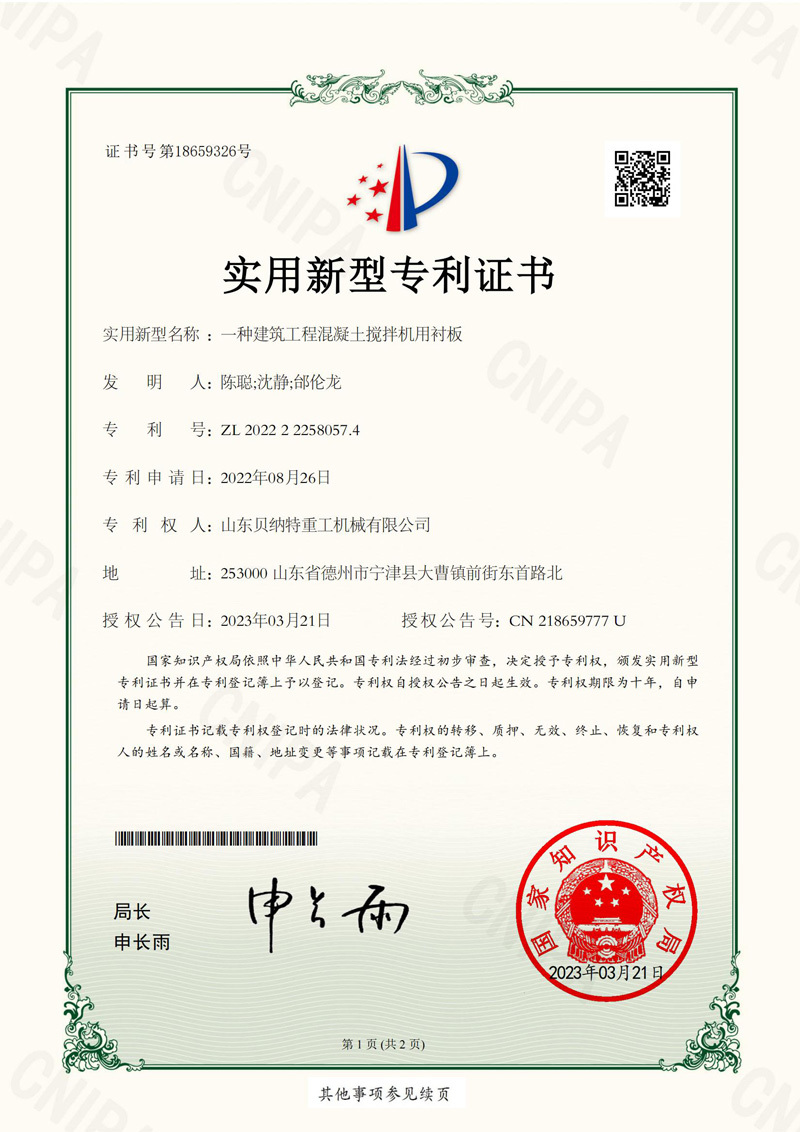
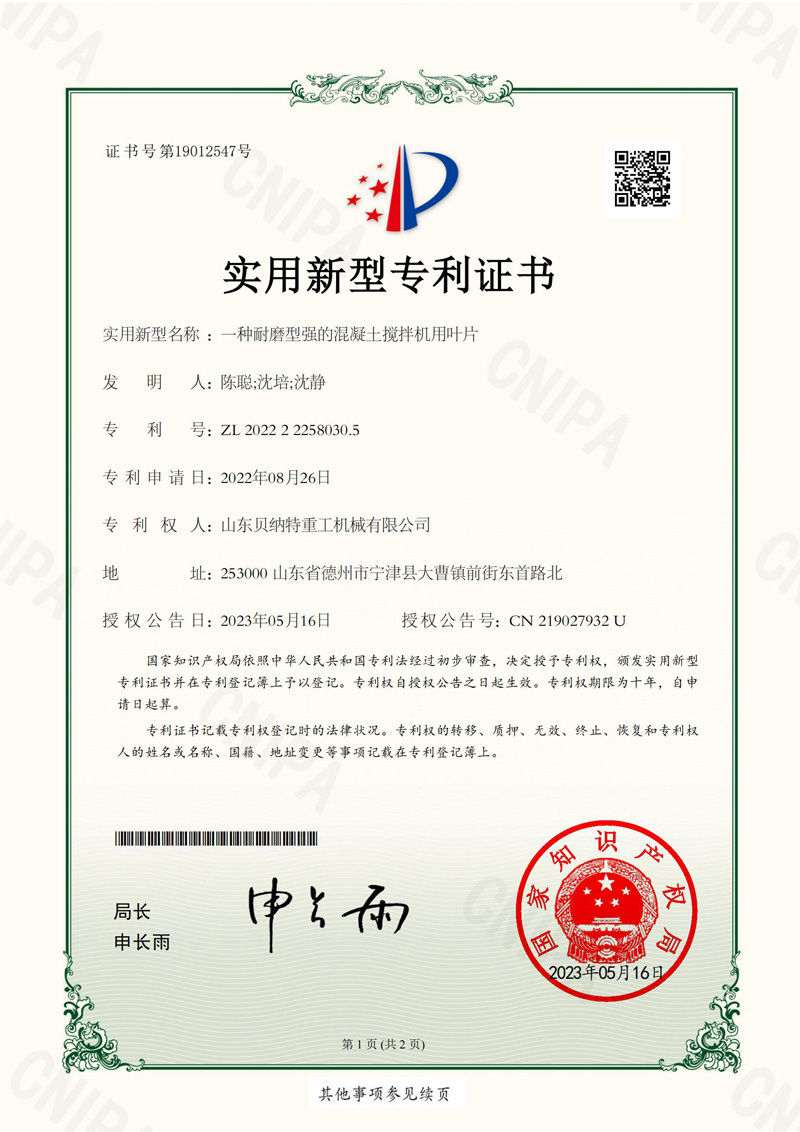
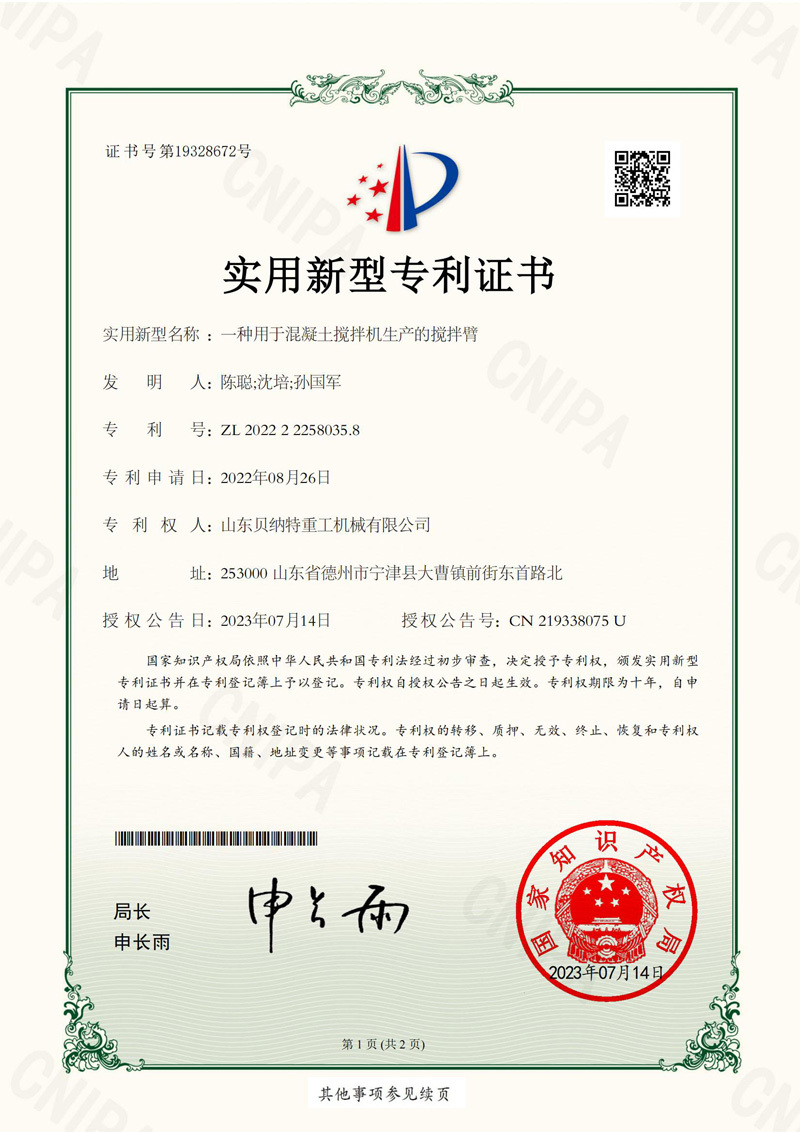
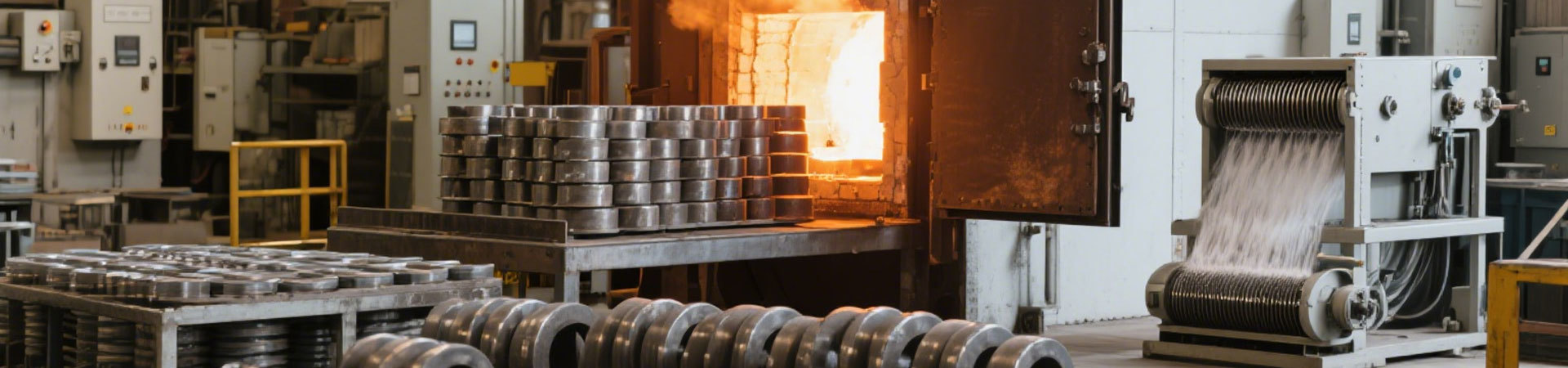
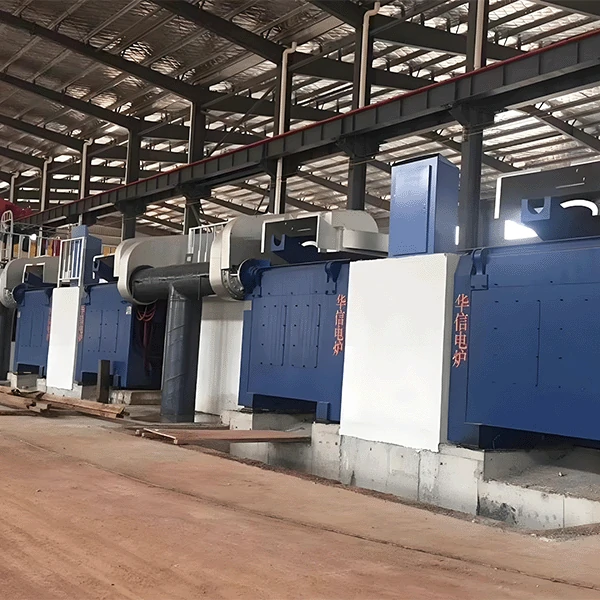
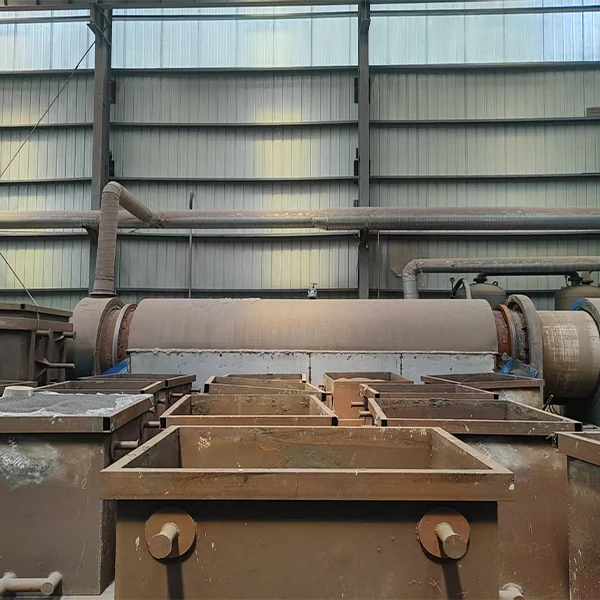
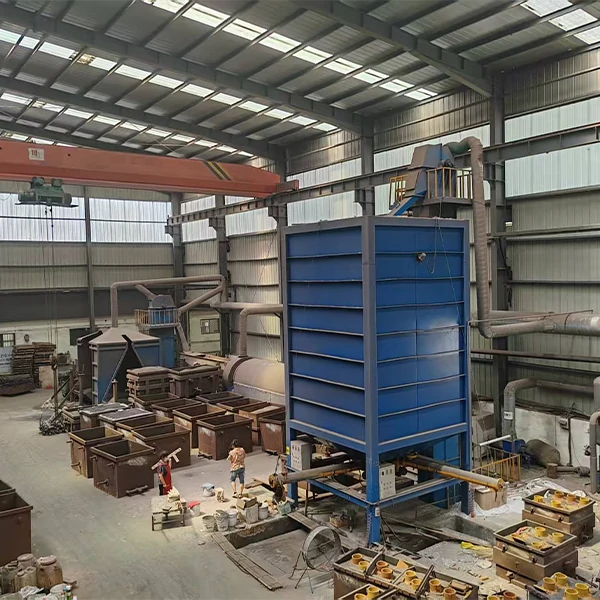
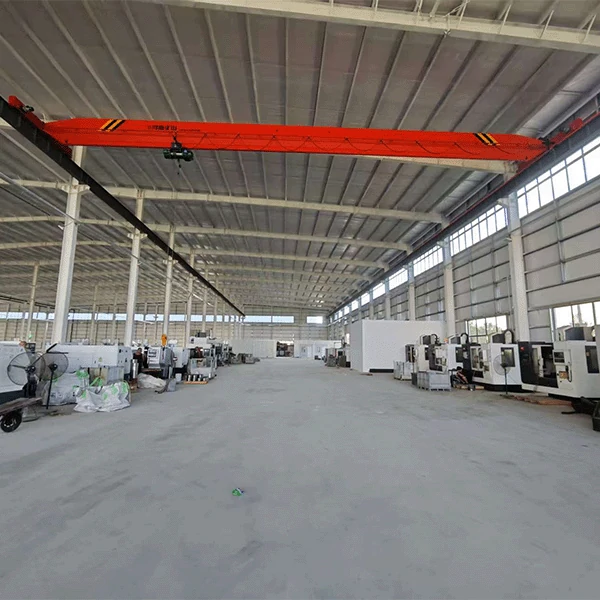
Casting production equipment
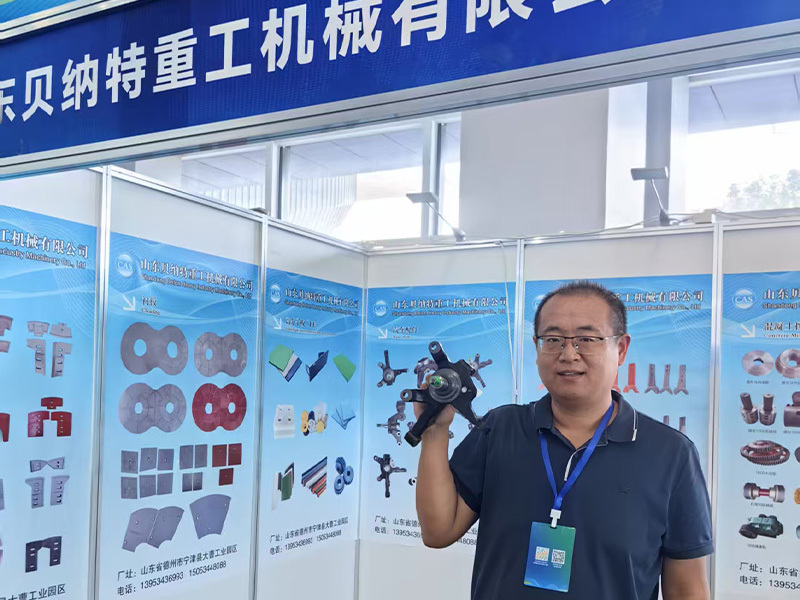
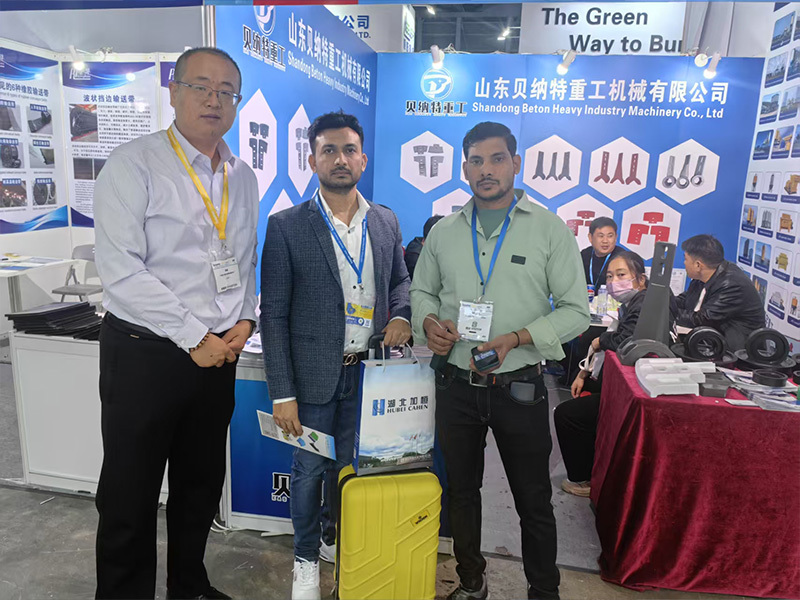
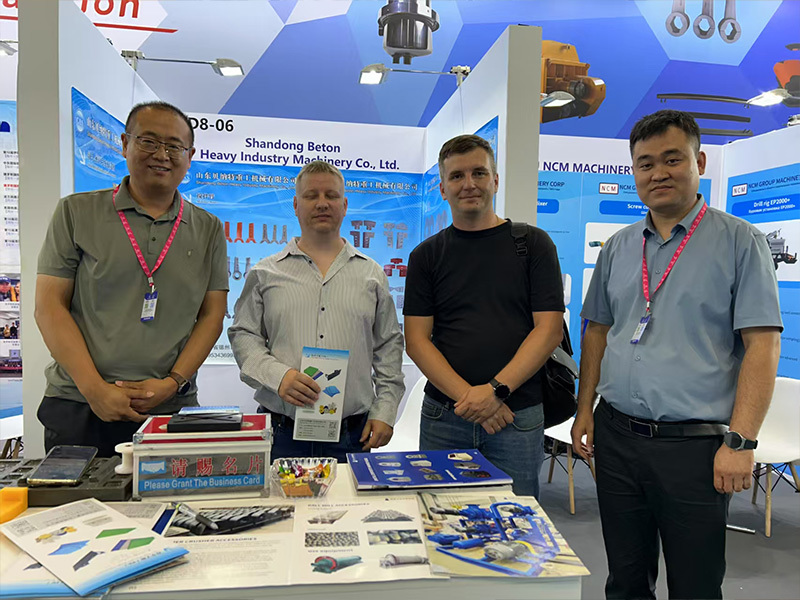
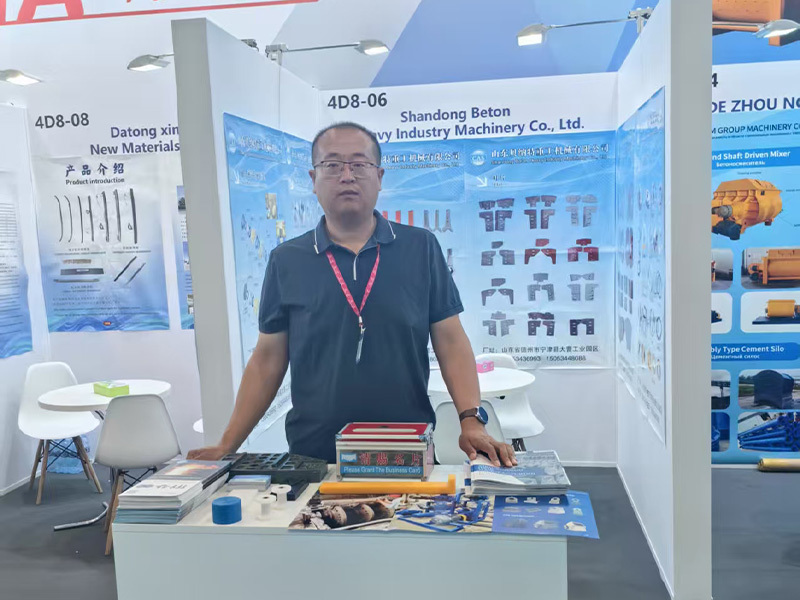
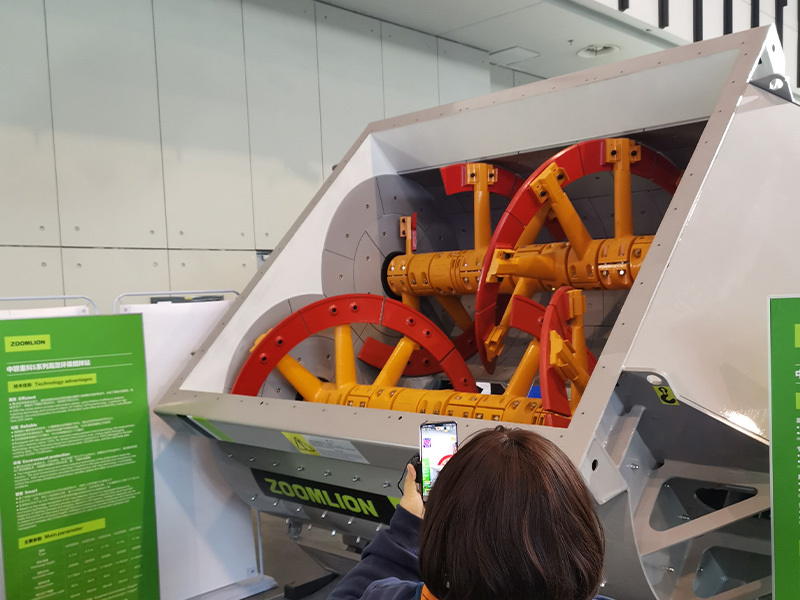
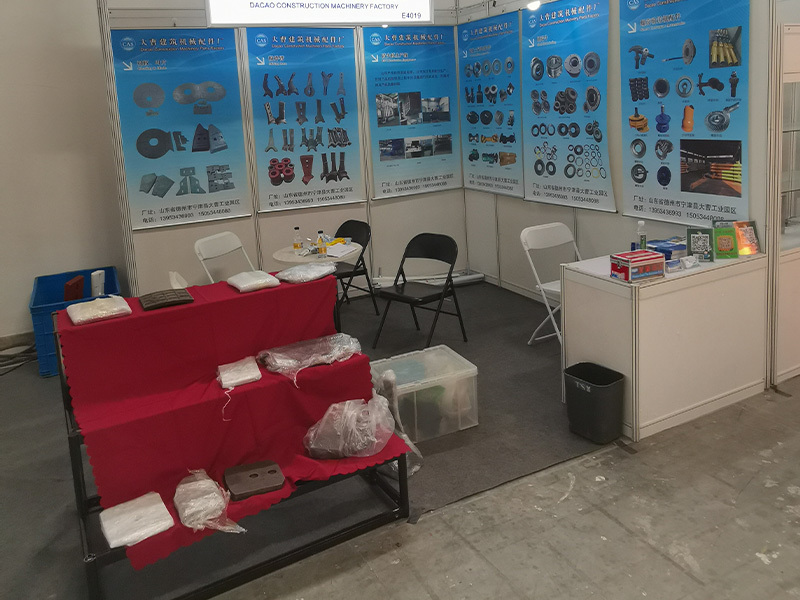
Exhibition

Inquiry
Please fill in the contact information and your needs, we will arrange professionals to contact you!
FAQ
Q
How to choose the right model of concrete mixer according to my construction project?
A
Q
What types of mixer accessories does your company mainly produce?
A
We focus on producing the core wear-resistant parts of the JS series forced concrete mixers, including:
Mixing arm (double spiral belt/spiral blade type)
High chromium alloy liner (bottom plate/side plate)
Hydraulic seal shaft end assembly (including floating oil seal)
Wear-resistant alloy blades (spiral angle can be customized)
Wear-resistant guard plate for mixing tank
Q
How to ensure the wear resistance of the accessory material?
A
Triple strengthening process is adopted:
① Material upgrade: Liner/blade uses Cr20Mo2 high chromium alloy with a hardness of HRC58-62; shaft end uses QT600 ductile iron
② Structural optimization: The hyperbolic design of the mixing arm reduces material impact loss
③ Process guarantee: EPC lost foam casting
Q
How to confirm that the accessories match my equipment model?
A
Please provide any of the following information, and we will provide free adaptation verification:
✓ Host brand and model (such as: Sany JS2000, Zoomlion JS3000)
✓ Original accessories part number
✓ Measurement of key dimensions
Beton Heavy Industry Machinery
Mobile: 86-139-5343-6993
Phone: 86-534-5541031
E-mail: info@bmixer.com
WhatsApp: 8613953436993
Add: North of the East End of Qianjie Street, Dacao Town, Ningjin County, Dezhou City, Shandong Province, China